 01 / REPERTOIRE
Classical guitar, with tablature
Make Tárrega
sing.
Learn classical guitar through Tárrega’s music. Find a clear sound, work two bars at a time and bring each phrase to life.
No staff-reading experience required. Take your time.
01 / Your first phrase
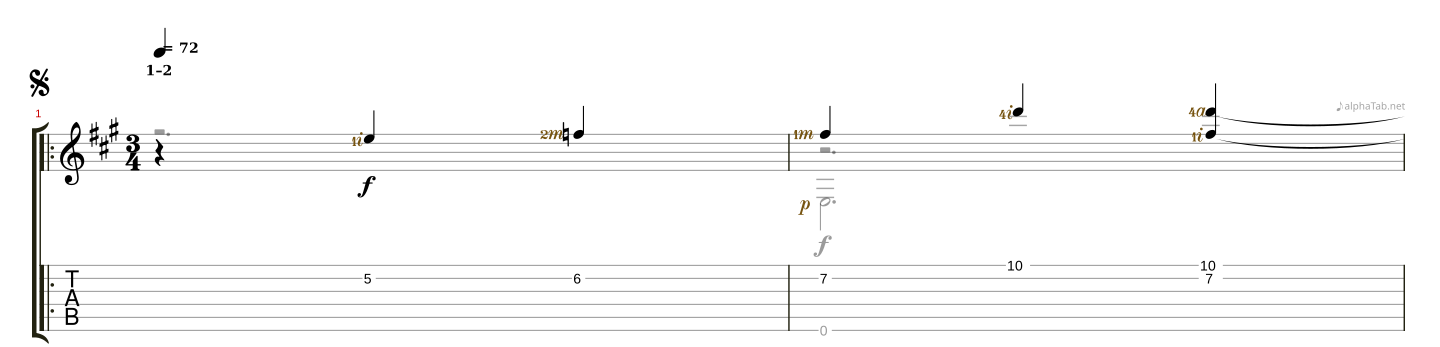
Lágrima
Francisco Tárrega · Prelude
Bring out the melody. Soften the accompaniment.
Start with two bars.
19pieces by Tárrega
9focused exercises
7practice lengths
100 %in tablature
01 / A path through the repertoire
Find a piece that moves you forward.


Explore the rest of the repertoire
 03 / REPERTOIRE
Endecha
 04 / REPERTOIRE
Oremus
 05 / REPERTOIRE
Prelude No. 2 in A minor
 06 / REPERTOIRE
Marieta
 07 / REPERTOIRE
Pavana
 08 / REPERTOIRE
Rosita
 09 / REPERTOIRE
Sueño — Mazurka
 10 / REPERTOIRE
María
 11 / REPERTOIRE
Mazurka in G
 12 / REPERTOIRE
Las dos hermanitas — Two Waltzes
 13 / REPERTOIRE
Isabel — Waltz
 14 / REPERTOIRE
Paquito — original version ¡Sola!
 15 / REPERTOIRE
Tango — Alier edition
 16 / REPERTOIRE
Gran Vals
 17 / REPERTOIRE
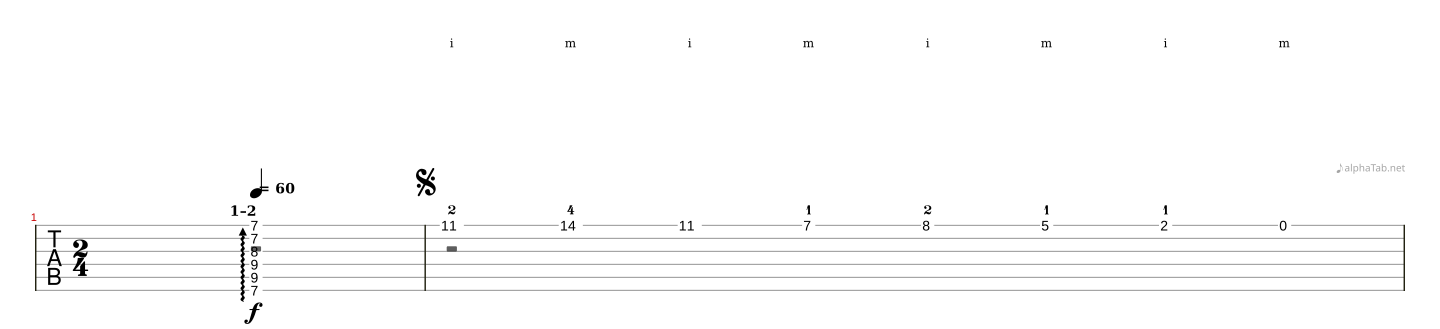
Capricho Árabe
 19 / REPERTOIRE
Danza Mora
02 / The method
Six habits. More control.
Slow down enough to listen
Choose a speed that leaves every note clear. If the same mistake happens twice, shorten the passage or slow it down.
Record your clean tempo
Write down the metronome setting and the number of notes per click. The app waits for three clean practice days before suggesting a 6 bpm increase.
Prepare the next movement
Know which string and fret you need before you play. Keep your fingers close without cutting off notes that should still be ringing.
Work on two bars
Find the small passage that needs attention. Play it cleanly five times in a row, then practise the join with the neighbouring phrase.
Listen to each hand
Try the right-hand pattern on open strings. Prepare the left-hand shapes separately, then bring the hands together.
Return to the same goal
A manageable session gives you a useful starting point for tomorrow. Record one passage each week and choose one specific improvement.
03 / The movement you need
Start with what feels difficult.
Finger placement and coordination (French)
Tone and nails (French)
P-a-m-i tremolo (French)
04 / Your practice time
Twenty minutes or more.
Seven routines to organise technique, repertoire and review around the time you have.
Build the basics
A technique session with an open-string warm-up, arpeggios, a scale, slurs, finger placement, tone and short barres.
Add a musical phrase
Technical practice followed by eight minutes working on one phrase from your current piece.
Connect technique to music
Technical work, thirteen minutes on your piece and five minutes of free playing.
Find a balanced routine
Technique, a break, phrase practice, listening and playing. Tremolo joins the technical work.
Explore a piece in depth
Technique, two breaks, your piece, a study, listening and free playing. Give each block one clear purpose.
Vary the demands
A limited technique block, repertoire, a study, listening and playing. Breaks are included in the two hours.
Develop and revisit repertoire
A limited technique block, your current piece, a study, listening and a previously learned piece, with several breaks.
Turn a movement into a phrase.
Studies by Sor, Carcassi, Aguado and Giuliani connect technical work with a musical line.
05 / Take it to the guitar
Your session and practice journal in the app.
Keep track of exercises, tempos and phrase practice. Open the app online, then use your browser’s installation option. Select English in the app settings.
Before you start
Can I learn Tárrega without reading staff notation?
Tablature shows you the strings and frets. You still need to understand timing: two notes at the same fret can have different lengths. The player and phrase notes help you connect the movement to the rhythm.
Which Tárrega piece should I learn first?
Lágrima starts our repertoire path. Check its preparation goals first: a clear melody, a small barre and a pull-off. If those movements are new, begin with the early Sor lessons or the matching exercises.
How long should I practise classical guitar each day?
Choose a duration you can sustain. The seven routines range from 20 minutes to three hours. The 20-minute session focuses on technique; routines of 30 minutes or more include a phrase from a piece. Longer sessions include breaks.
Can I read the tabs without JavaScript?
Yes. Each piece has a preview and a link to its complete static tablature. The interactive player loads only when you turn it on. The practice instructions remain readable without the player.
Why practise so slowly?
A slow tempo gives you time to hear note length, volume and clarity. Keep those qualities as you increase the speed. A metronome number is useful only when the passage remains controlled.
What should I do when a note buzzes?
Isolate the note. Check the finger’s position near the fret and whether a neighbouring finger touches the string before adding pressure. If the same string also buzzes when played open, have the instrument checked.
When should I start Recuerdos de la Alhambra?
Start when you can play several even p-a-m-i groups and prepare the chord shapes separately. The preparation goals on the piece page are practice checkpoints, not promises about how quickly you will learn it.
Are these Tárrega’s original fingerings?
The notes follow the editions credited on each page. String choices, fingerings and practice phrases are editorial decisions for this learning path. Read the source notes to distinguish the score from our adaptations.
Do I need long nails for classical guitar?
You can explore the sound with nails that suit your hand, or with the fingertip. Compare attacks on one string and aim for consistency. There is no single nail length that works for every finger.
Can I use the app offline?
Open it online and allow its resources to load. Use your browser’s installation option, then check offline that the pieces you need are available. External videos still require an internet connection.